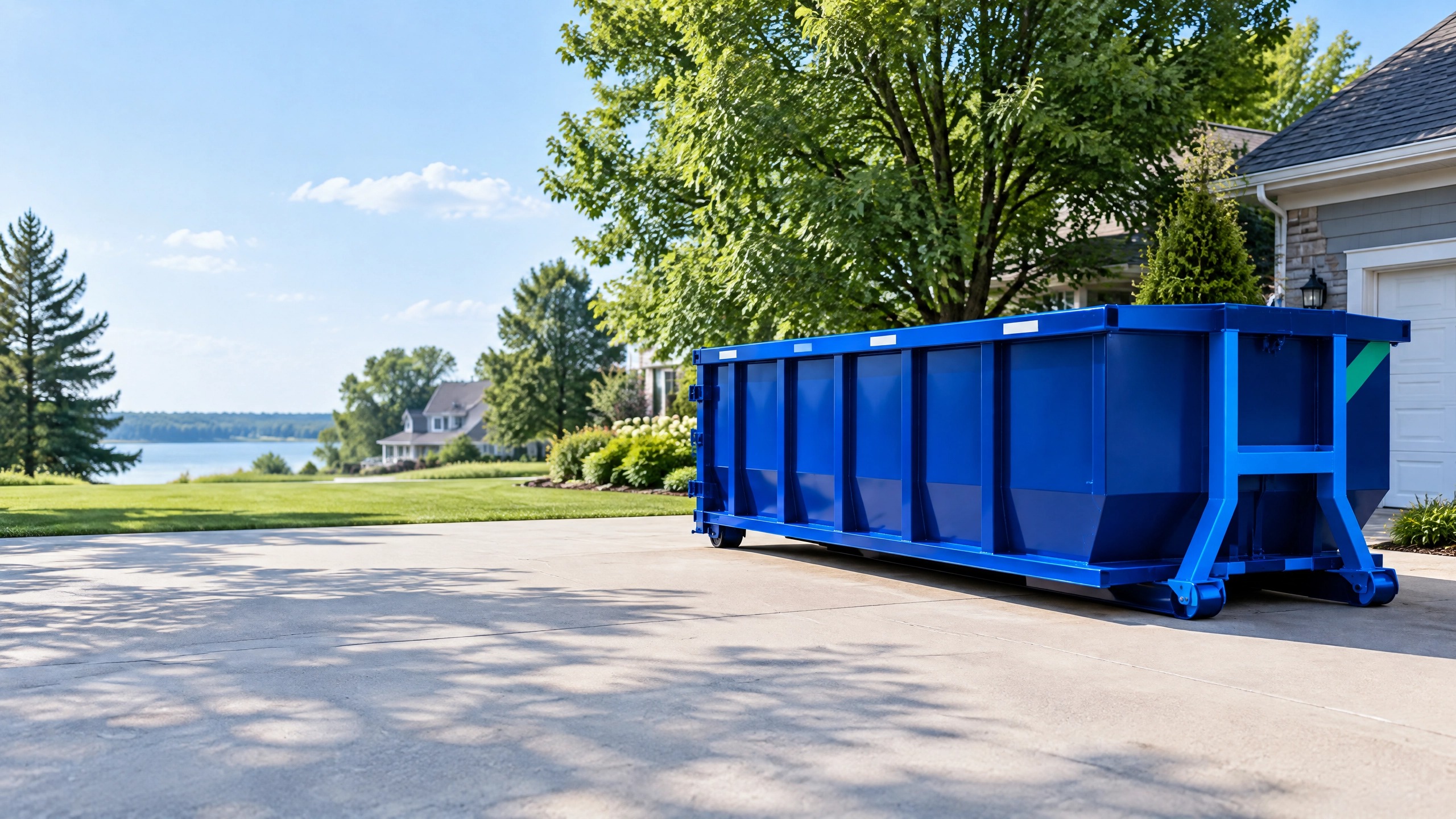
A roll-off dumpster makes it easier to manage waste from home cleanouts, renovations, roofing, and construction projects. But not everything belongs in one.
Hazardous chemicals, liquid paint, fuels, used oil, batteries, tires, asbestos, and certain appliances are among the items you generally cannot put in a standard roll-off dumpster. Some materials are prohibited because they create safety or environmental risks, while others require separate disposal because of their weight, composition, or recycling requirements.
So, what can you not put in a roll off dumpster, and which items are safe to throw away?
This guide explains the most common restrictions, why they exist, and what to do with materials that cannot go into your rental container.
What Can You Not Put in a Roll Off Dumpster? Quick Reference
Before loading a dumpster, check whether the material is accepted, prohibited, or requires approval.
| Material | General Disposal Status | Why It Matters |
|---|---|---|
| Hazardous chemicals and solvents | Not accepted | Toxicity, flammability, and contamination risks |
| Liquid paint, fuels, and used oil | Not accepted | Leakage, fire hazards, and disposal restrictions |
| Car batteries and lithium batteries | Not accepted | Chemical leakage and fire risks |
| Whole tires | Not accepted in standard rentals | Michigan disposal restrictions and recycling requirements |
| Refrigerators and air conditioners | Not accepted in standard rentals | Refrigerants require proper recovery |
| Asbestos-containing materials | Special handling required | Health risks and regulatory requirements |
| Medical and infectious waste | Special handling required | Infection and exposure risks |
| Mattresses and electronics | Provider approval required | Recycling and facility acceptance rules |
| Concrete, dirt, and brick | Special arrangements required | High weight and container restrictions |
| Drywall, lumber, and flooring | Generally accepted | Common non-hazardous renovation debris |
| Furniture and household junk | Generally accepted if approved | Suitable for many cleanout projects |
This is general guidance. Actual acceptance depends on the rental provider, disposal facility, material condition, and applicable regulations.
Items Not Allowed in Dumpsters and Why They’re Restricted
1. Hazardous Chemicals, Solvents, and Pesticides
Hazardous chemicals are among the most important items not allowed in dumpsters.
Examples include:
- Pesticides and herbicides
- Paint thinners and solvents
- Strong chemical cleaners
- Industrial chemicals
- Certain adhesives, resins, and chemical treatments
These substances may be toxic, corrosive, reactive, or flammable. Containers can leak or break during loading, transportation, and disposal.
What to do instead: Keep chemicals in their original labeled containers when safe and arrange appropriate hazardous materials disposal. Michigan residents can check local household hazardous waste collection programs. Businesses must follow the applicable requirements for their waste.
2. Paint, Fuels, Motor Oil, and Other Liquids
Liquid paint, gasoline, diesel, used motor oil, and similar liquids should not be placed in a standard roll-off dumpster.
They may leak during transportation, contaminate other materials, or create fire and environmental hazards.
Michigan also requires used oil to be recycled rather than disposed of in an ordinary landfill.
What to do instead: Take used oil to an appropriate recycling location. For leftover paint, contact a local collection program and confirm whether the specific product is accepted. Dried latex paint may have different disposal options, but you should verify the rental provider’s rules before including paint containers.
3. Batteries and Electronic Waste
Car batteries, lithium-ion batteries, and many electronic devices are restricted from standard roll-off dumpsters.
Lead-acid batteries contain corrosive materials, while damaged lithium-ion batteries can overheat or catch fire.
Electronic equipment may contain batteries or components that require separate recycling.
What to do instead: Use battery recycling programs, participating retailers, or approved electronic waste collection facilities.
4. Tires and Automotive Materials
Whole vehicle tires are generally prohibited from ordinary Michigan landfill disposal.
Other automotive materials, such as oil filters, fuels, and certain vehicle components, may also need specialized handling.
What to do instead: Contact a tire retailer, registered scrap tire collection facility, or automotive recycling service.
5. Refrigerators, Freezers, and Air Conditioners
Cooling appliances contain hazardous refrigerants (such as Freon) that are legally prohibited from entering landfills due to environmental regulations.
Why it’s restricted: Standard roll-off dumpsters cannot accept appliances containing active refrigerants.
The Exception: Most rental providers can accept the metal shell of a refrigerator, freezer, or AC unit only if you have the refrigerant professionally drained and removed by a certified HVAC technician prior to disposal.
What to do instead: If you cannot obtain certified refrigerant removal, take advantage of local appliance recycling programs, municipal bulk pickup days, or retailer haul-away services when purchasing new units.
6. Asbestos and Certain Demolition Materials
Asbestos-containing materials require special attention because disturbing them can release hazardous fibers.
Older flooring, insulation, siding, and other building materials may contain asbestos. Appearance alone cannot reliably establish whether a material contains it.
Michigan regulates asbestos-related demolition, handling, and disposal.
What to do instead: If asbestos is suspected, stop disturbing the material and consult a qualified professional about testing, removal, and disposal requirements. Do not place suspected asbestos debris in a regular construction dumpster.
7. Medical and Infectious Waste
Medical waste, contaminated sharps, and infectious materials require appropriate handling to protect workers and the public.
These materials are not suitable for ordinary roll-off dumpster disposal.
What to do instead: Follow the applicable medical waste collection and disposal requirements. Household sharps should be handled according to local collection guidance rather than placed loose in a dumpster.
8. Mixed Yard Waste and Heavy Organic Debris
While yard waste is organic, it is strictly regulated to meet local landfill diversion and composting requirements. Food waste is fully permitted in standard dumpsters, but yard waste comes with specific mixing and weight restrictions.
Why it’s restricted: Standard roll-off dumpsters cannot accept mixed loads of regular household or construction trash combined with yard waste (such as grass clippings, leaves, and small branches). Additionally, heavy organic materials can easily overload a container or ruin composting processing.
What is strictly prohibited in yard waste:
- Soil, sand, sod, rocks, or concrete: Non-compostable materials that add extreme weight.
- Tree trunks and stumps over 50 lbs: Too heavy and large for standard composting equipment.
- Chemically or pressure-treated wood: Leaches toxic chemicals into the soil during composting.
- Diseased, infested, or invasive plants (e.g., palm, yucca): Excluded to prevent species spread and contamination.
What to do instead: If you have a major landscaping project, you can rent a 10-yard or 20-yard dumpster exclusively for clean yard waste (leaves, grass, brush, and Christmas trees). Otherwise, utilize municipal yard waste collection or local composting programs.

What Can You Put in a Roll Off Dumpster?
Most standard roll-off dumpsters are intended for approved, non-hazardous waste from household cleanouts, renovations, roofing, and construction projects.
Commonly accepted materials include:
- Household furniture, boxes, and general junk
- Drywall, cabinets, and wood scraps
- Flooring and carpeting
- Approved roofing shingles
- Non-hazardous construction debris
- Clean concrete, brick, and asphalt in designated containers
Some materials may require a separate dumpster because of their weight or composition.
For example, concrete and brick are not automatically prohibited, but loading a large container with heavy masonry can exceed its permitted weight.
If you’re wondering what you can put in a roll-off dumpster during a renovation, start by identifying the materials rather than assuming everything removed from the property can go into the same container.
Rearden Environmental’s roll-off dumpster rental services include 10-, 20-, 30-, and 40-yard containers for different cleanup and construction needs, with material restrictions that should be confirmed before loading.

What Can You Put in Rearden Environmental’s Roll-Off Dumpsters?
Rearden Environmental’s roll-off dumpster rental services accommodate a range of approved, non-hazardous waste from home cleanouts, renovations, and construction projects.
Commonly accepted materials include:
- Household junk: Furniture, boxes, and general household clutter
- Construction debris: Wood, drywall, flooring, and approved demolition materials
- Roofing materials: Shingles and other approved roofing debris
- Renovation waste: Cabinets, carpeting, and remodeling debris
- Heavy materials: Concrete, brick, and dirt, subject to prior approval and weight restrictions
Acceptance depends on the material, container size, and disposal requirements. Confirm unusual or heavy items with Rearden Environmental before loading by contacting us (+1-855-50-TRASH) to avoid disposal issues or additional charges.
What Can’t You Put in a Roll Off Dumpster Without Special Approval?
Some items are not universally prohibited, but they cannot be assumed to be acceptable.
These materials often create confusion because different providers and disposal facilities have different requirements.
Mattresses and Upholstered Furniture
Mattresses may require separate collection, recycling, or an additional handling arrangement.
Their mixed materials, including fabric, foam, and metal springs, can make processing more difficult.
Check whether your provider accepts mattresses before placing one in a dumpster.
Small Appliances and Electronics
A microwave may be accepted by some waste services, while others direct it to electronic recycling.
Rearden Environmental lists appliances and electronics among restricted materials for its standard roll-off service, so do not assume a microwave is permitted without confirmation.
Metal Scrap
Non-hazardous metal objects can generally be placed in a standard roll-off dumpster, but disposing of large quantities of heavy scrap metal this way is rarely cost-effective and comes with important restrictions.
Why it’s restricted:
- Pressurized tanks and containers: Items like propane tanks, oxygen cylinders, or sealed metal drums pose serious safety hazards and are strictly prohibited in roll-off dumpsters.
- Weight limits: Dense scrap metal (like cast iron, heavy machinery, or structural steel) can easily cause your dumpster to exceed weight limits, leading to overweight fees.
What to do instead: Rather than using up dumpster space and paying for heavy container weight, consider recycling your metal directly. If you are located in or near Oakland County, our sister company, Rearden Metal (located in Ortonville), accepts retail and industrial scrap metal—giving you a convenient way to recycle metal responsibly and potentially earn cash for your scrap.
Concrete, Dirt, and Brick
These materials are extremely heavy compared with typical household waste.
A smaller designated dumpster may be appropriate even when the total debris volume is relatively low.
Always confirm the material type, permitted weight, and container requirements.
Why Do Roll-Off Dumpster Rules Matter?
Roll-off dumpster rules are not simply a list of things a rental company prefers to avoid. They help address several practical and regulatory concerns.
Environmental Protection
Chemicals, oils, batteries, and other restricted materials can contaminate soil, water, or other waste if handled improperly.
Worker and Public Safety
Flammable substances, damaged batteries, pressurized containers, and infectious materials can create risks during loading, transportation, and disposal.
Disposal Facility Requirements
Landfills and processing facilities have specific acceptance rules. A material that requires special handling cannot necessarily be delivered with ordinary household or construction waste.
Avoiding Extra Charges and Pickup Delays
Prohibited items may require removal, separate disposal, or additional handling before the load can be processed.
Following the provider’s requirements helps reduce the likelihood of unexpected charges and delays.
Michigan Dumpster Rental Restrictions: What You Should Know
Michigan’s Department of Environment, Great Lakes, and Energy (EGLE) regulates waste disposal under the state’s environmental laws.
Michigan landfill restrictions include materials such as used oil, whole tires, lead-acid batteries, yard clippings, certain liquids, and hazardous waste. Asbestos and some other regulated wastes may be accepted only under specific handling and approval requirements.
An important distinction is that Michigan landfill rules and dumpster rental restrictions are not identical.
For example, a household material may not be categorically banned from every landfill but can still be prohibited by a dumpster provider because of transportation, safety, or receiving-facility requirements.
Likewise, an item accepted by one waste service may be restricted by another.
Before loading unfamiliar materials, check both the rental agreement and the appropriate local disposal requirements.
How to Avoid Putting Prohibited Materials in Your Dumpster
A little preparation can prevent most loading mistakes.
Separate Waste Before the Dumpster Arrives
Identify hazardous products, batteries, electronics, tires, and other materials requiring special collection.
Keep them out of the general cleanup pile.
Explain the Rules to Everyone Using the Container
For construction projects, make sure workers and subcontractors understand which materials are approved.
A short list posted near the dumpster can prevent accidental disposal of restricted items.
Confirm Unusual Materials in Advance
If you’re disposing of old appliances, mattresses, roofing materials, concrete, or large quantities of metal, ask the provider before loading.
Follow Loading and Weight Restrictions
Keep debris below the container’s permitted load line, distribute weight appropriately, and avoid mixing heavy materials into a general debris container without approval.
For ongoing business waste, the rules may differ from temporary roll-off service. Rearden Environmental’s commercial dumpster rental service is designed for recurring collection of approved general business waste, packaging, and other accepted materials.
Know What You Can Throw Away Before You Rent
Understanding what can you not put in a roll off dumpster helps you avoid disposal problems before they happen.
Most non-hazardous household and construction debris can be handled through an appropriate roll-off rental. Hazardous chemicals, liquids, batteries, tires, regulated waste, and certain appliances require different arrangements.
The simplest approach is to separate restricted materials early, confirm anything unusual, and follow the container’s loading requirements.
For projects in Michigan, Rearden Environmental provides roll-off dumpster rental services with guidance on container sizes, approved materials, and disposal restrictions.
Frequently Asked Questions
1. What Can You Put in a Dumpster Rental?
Most dumpster rentals accept approved household junk, furniture, drywall, wood, flooring, roofing materials, and general non-hazardous construction debris. Heavy materials and certain bulky items may require separate approval.
2. What Can’t You Put in a Dumpster?
Hazardous chemicals, fuels, liquid paint, used oil, batteries, tires, asbestos, medical waste, and refrigerant-containing appliances are generally prohibited or require special handling. Always check the specific provider’s rules.
3. Can I Put a Mattress in a Dumpster?
It depends on the rental provider and disposal facility. Some services accept mattresses with prior approval or additional handling charges, while others prohibit them. Confirm acceptance before loading.
4. Can You Put a Microwave in a Roll Off Dumpster?
Some waste providers accept microwaves, but others classify them as restricted appliances or electronic waste. Rearden Environmental restricts appliances and electronics in its standard roll-off dumpsters, so ask about an approved alternative.
5. Can You Put Metal in a Dumpster?
Some clean, non-hazardous metal items may be accepted, but large equipment, contaminated metal, pressurized containers, and certain appliances can be restricted. Scrap metal recycling may be preferable when available.
6. What Are the Main Waste Management Dumpster Rules?
Common waste management dumpster rules include using the container only for approved materials, following weight limits, keeping debris below the load line, avoiding hazardous waste, and maintaining safe access for collection.
7. Can You Put Concrete or Bricks in a Roll-Off Dumpster?
Yes, some services accept clean concrete and brick in designated containers. Because these materials are heavy, they may require a specific dumpster size and weight allowance.
8. What Happens If You Put Prohibited Items in a Dumpster?
The provider or disposal facility may require the material to be removed or handled separately. This can lead to additional charges, collection delays, or other consequences depending on the material and rental agreement.