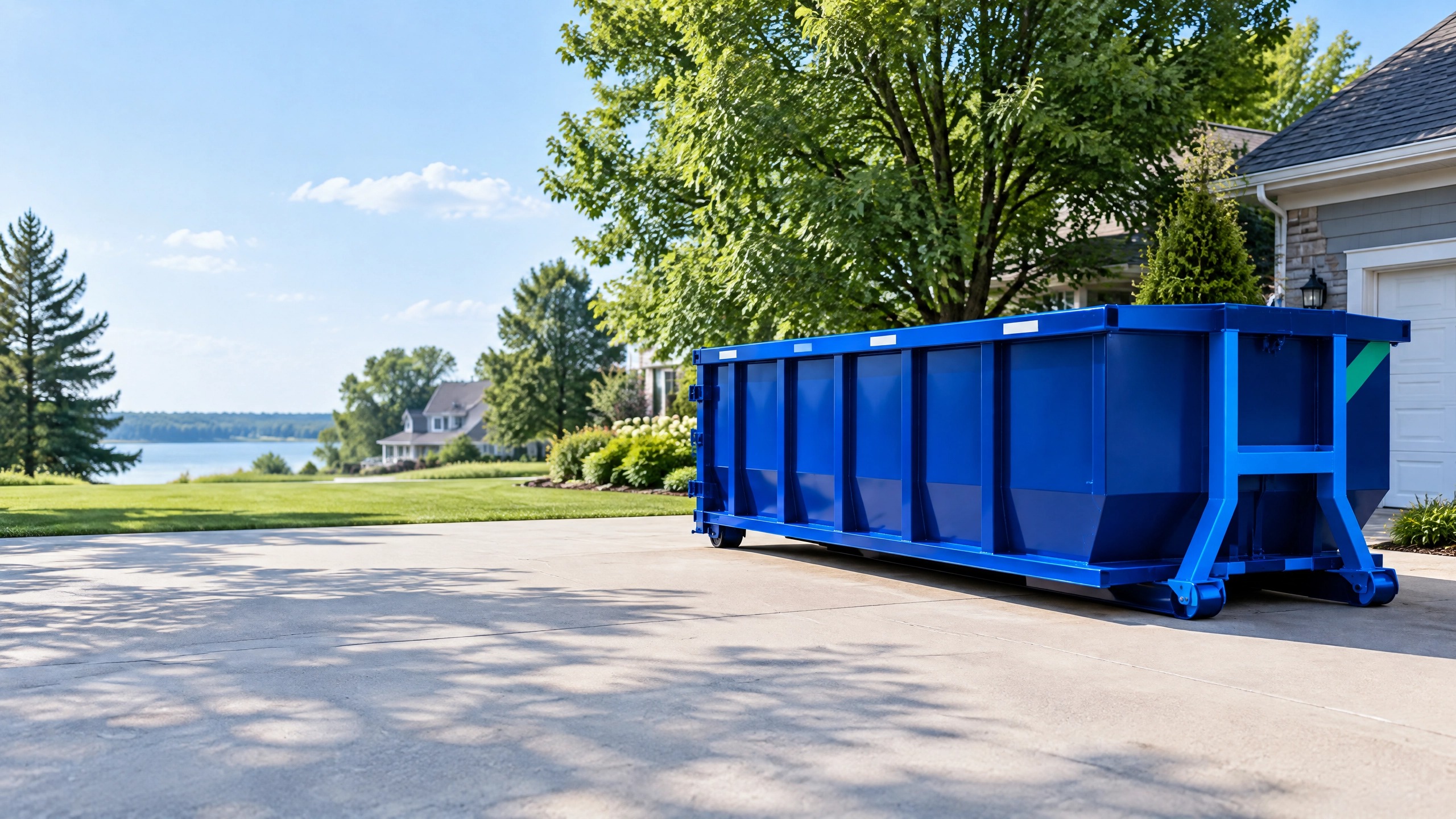
Choosing the right construction dumpster rentals can save you from paying for unused space, arranging extra pickups, or delaying work because your container fills too quickly.
For most construction projects, a 10-yard dumpster suits smaller jobs, a 20-yard dumpster works for medium renovations, and 30- or 40-yard dumpsters are better suited to larger construction and demolition projects. However, the right size also depends on the type and weight of debris.
If you’re looking for a construction dumpster rental in Michigan that contractors and property owners can use for construction waste, this guide will help you compare container sizes, estimate your needs, and plan waste removal around your project schedule.
Construction Dumpster Rentals Size Guide: Which One Do You Need?
Construction dumpsters are measured in cubic yards, which represent how much material a container can hold by volume.
For example, a 20-yard dumpster for construction holds 20 cubic yards of material. That doesn’t mean it can carry any weight of debris. Every container has loading and weight restrictions that must also be considered.
Here’s a quick comparison.
| Dumpster Size | Recommended Projects | Common Construction Debris |
|---|---|---|
| 10 Yard | Small renovations, bathroom remodeling, minor demolition | Drywall, flooring, wood, limited heavy debris |
| 20 Yard | Kitchen remodeling, roofing, deck removal, medium renovations | Lumber, shingles, drywall, fixtures |
| 30 Yard | Home additions, major renovations, new home construction phases | Framing lumber, drywall, insulation, packaging |
| 40 Yard | Large construction projects, commercial renovations, major demolition | Bulky construction materials and large-volume debris |
These are general recommendations. Actual dimensions, weight allowances, and accepted materials vary by container and provider.
For most residential construction projects, a 20- or 30-yard dumpster is a useful starting point. Larger commercial jobs may require a 40-yard container or multiple scheduled hauls.
How to Choose the Right Dumpster Rental for Construction
The best way to select a dumpster is to evaluate your project rather than choosing a size based only on the building’s square footage.
Consider these four factors.
1. Type of Construction Project
A bathroom renovation produces less debris than a complete home remodel. Similarly, a new home build generates waste over several stages rather than all at once.
- Minor renovations: Consider a 10-yard dumpster.
- Kitchen remodeling or roofing: Start by comparing 20-yard options.
- Major home renovations or additions: Consider a 30-yard dumpster.
- Large construction and demolition: Evaluate 40-yard containers or multiple hauls.
These are starting points, not fixed rules. A roofing project with heavy shingles may require a different arrangement than a similarly sized project producing lightweight packaging. Understanding your project gives you an idea of the size of construction dumpster rental you need.
2. Type and Weight of Debris
Another factor to consider when choosing dumpster rental for construction jobs is understanding the type and weight of debris. Not all construction materials take up space or add weight in the same way.
Bulky materials, such as framing lumber, insulation, and packaging, can fill a dumpster before reaching its weight allowance.
Dense materials, such as concrete, brick, dirt, and masonry, may reach weight limits even when the dumpster is only partially filled.
For heavy debris, ask about dedicated containers and material-specific restrictions. Renting a larger dumpster does not automatically increase the amount of concrete or dirt you can dispose of.
3. Available Space at the Job Site
Before scheduling delivery, identify a location where the container can be placed without blocking construction access. Placement is often overlooked when it comes to construction dumpster rentals that could pose issues with jobs.
Check for:
- Sufficient space for the dumpster and delivery truck
- Clear access for loading and pickup
- Overhead wires, tree branches, or other obstructions
- Stable ground or an appropriate paved surface
- Local permit requirements for street placement
A smaller container with planned pickups may be more practical than a large dumpster that obstructs equipment or material deliveries.
4. Project Duration and Waste Volume
A two-day demolition job may produce most of its debris immediately. A new home construction project may generate waste over several weeks or months.
Consider whether you’ll need one container for the entire project or multiple hauls as work progresses.
For longer projects, coordinating pickup with major construction milestones can be more useful than renting the largest container available.
Choosing construction dumpster rentals based on project duration and waste volume saves you from paying for unused capacity or extra haul charges.

Which Dumpster Size Works Best for Different Construction Projects?
10-Yard Dumpster: Small Construction and Renovation Jobs
A 10-yard dumpster is generally suitable for projects that produce a relatively small amount of debris.
Common applications:
- Bathroom renovations
- Small flooring removal projects
- Minor interior demolition
- Small deck or shed removal
- Limited construction debris cleanup
Its smaller footprint may also make placement easier on residential properties with restricted space.
If you’re considering this size, read How Big Is a 10-Yard Dumpster? for more guidance.
20-Yard Dumpster: Medium Residential Construction
A 20-yard dumpster offers a balance between capacity and space requirements, making it a practical option for many residential construction projects. Selecting this size for your construction dumpster rental ensures you have sufficient volume without sacrificing valuable driveway or jobsite space.
Common applications:
- Kitchen renovations
- Flooring replacement across multiple rooms
- Deck demolition
- Roofing projects
- Medium-sized remodeling work
For contractors handling several types of debris, this size may provide enough room for lumber, drywall, fixtures, and approved construction materials.
Explore how big a 20-yard dumpster is to understand its capacity and common uses.
30-Yard Dumpster: Major Renovations and New Construction
A 30-yard dumpster is worth considering when a project generates substantial amounts of debris.
Common applications:
- Whole-home renovations
- Major room additions
- New residential construction
- Large interior demolition
- Multi-room remodeling
A new construction dumpster rental of this size may work well during framing, drywall installation, or other phases that generate significant volumes of waste.
However, one 30-yard container may not be enough for an entire new home build. The total number of hauls depends on the construction schedule, building design, and waste generated.
Learn more about 30-yard dumpster rental prices before comparing quotes.
40-Yard Dumpster: Large Construction and Commercial Projects
A 40-yard dumpster provides substantial capacity for bulky debris and high-volume construction waste.
Common applications:
- Large commercial renovations
- Major construction projects
- Warehouse and industrial cleanouts
- Extensive demolition
- Large-volume packaging and construction debris
Before choosing this size for construction dumpster rental, confirm that the site has adequate space for delivery and collection.
A 40-yard dumpster is not necessarily appropriate for dense materials. Weight restrictions still apply.

What Size Dumpster Rental Do You Need for New Home Construction?
For new home construction, a 30- or 40-yard dumpster may be a useful starting point, depending on the size of the build, construction methods, and debris volume.
But there’s an important distinction: the dumpster size needed at one stage of construction may differ from the size needed throughout the entire project.
Here’s how waste requirements can change that can affect your requirement for construction dumpster rental.
| Construction Phase | Common Waste | Planning Consideration |
|---|---|---|
| Site preparation | Approved site debris and packaging | Soil and heavy materials may need separate handling. |
| Framing | Lumber offcuts, sheathing, packaging | Bulky material can fill a container quickly. |
| Roofing and exterior work | Shingles, siding, packaging | Confirm material weight and disposal rules. |
| Drywall and interior work | Drywall scraps, flooring, fixtures | Plan around installation and cleanup schedules. |
| Final cleanup | Packaging, offcuts, approved general debris | A smaller container may be sufficient. |
Why Contractors Should Plan Dumpster Pickups by Construction Phase
Suppose you’re building a new home and expect substantial debris during framing and drywall installation.
Keeping one dumpster on-site without reviewing its capacity could result in a full container just when the next trade needs to dispose of materials.
A better approach is to:
- Estimate waste for each major construction phase.
- Choose an initial container based on the first stage.
- Schedule pickup before the next high-volume activity.
- Reassess the container size as construction progresses.
This approach can help reduce debris buildup, preserve job-site access, and avoid unnecessary interruptions.
For a residential construction dumpster, the best solution is often the right combination of container capacity and pickup timing rather than one oversized rental.
How Much Does a Construction Dumpster Rental Cost in Michigan?
Construction dumpster rental cost depends on more than container size. The total price reflects the service arrangement, debris characteristics, and project location.
| Cost Factor | Why It Matters |
|---|---|
| Dumpster size | Larger containers generally have different rental and hauling costs. |
| Debris weight | Exceeding an included weight allowance may result in additional charges. |
| Rental duration | Longer projects may require extended rental periods. |
| Material type | Certain debris may require separate handling or disposal. |
| Delivery location | Transportation distance and accessibility can affect pricing. |
| Number of hauls | Multiple container exchanges or pickups affect the total project cost. |
Is It Cheaper to Rent a Larger Dumpster?
Not always.
A larger container may be cost-effective when you have substantial volumes of approved debris and enough room to accommodate it.
However, if your project produces heavy materials or generates waste gradually, a smaller container with appropriately scheduled pickups may be a better choice.
When comparing dumpster rental Michigan prices, request a quote that identifies the rental period, including weight allowance, pickup terms, and possible additional charges.
For more information, see:
- How Much Does It Cost to Rent a Dumpster?
- How Much Is a 10-Yard Dumpster Rental?
- How Much Is a 20-Yard Dumpster Rental?
Check What You Can Throw in Before Construction Dumpster Rental
A dumpster rental for construction debris is generally intended for approved building materials and project waste.
Commonly accepted materials may include:
- Lumber and wood scraps
- Drywall and plaster
- Flooring and carpeting
- Roofing materials
- Siding and approved fixtures
- Construction packaging
- Non-hazardous demolition debris
Acceptance depends on the provider and disposal facility.
Materials That Need Special Attention
Do not assume that hazardous or regulated materials can be placed in a regular construction dumpster. Knowing the kinds of debris you can put in a container before you choose construction dumpster rental is crucial to ensure safe
Examples include asbestos-containing materials, hazardous chemicals, solvents, fuels, certain batteries, and other regulated waste.
Concrete, brick, dirt, and masonry may also require special arrangements because of their weight.
Michigan’s Department of Environment, Great Lakes, and Energy (EGLE) provides guidance on landfill-prohibited materials and special waste handling. Asbestos-related renovation and demolition work can also involve additional regulatory requirements.
Contractor tip: Review debris restrictions with your crew before work begins. Clear loading instructions help prevent prohibited materials from entering the container and creating disposal problems.

5 Dumpster Rental Practices Every Construction Crew Should Follow
Choosing the right container is only part of effective construction waste management. How the crew uses it can affect safety, efficiency, and disposal costs.
1. Assign a Designated Waste Area
Place the dumpster where workers can reach it without interfering with material deliveries, equipment movement, or emergency access.
2. Explain Accepted Materials Before Work Starts
Make sure subcontractors understand which materials can go into the dumpster and which require separate disposal.
This is particularly important on sites with multiple trades working simultaneously.
3. Distribute Debris Evenly
Load approved debris across the container rather than concentrating heavy material in one area.
Follow the provider’s loading instructions and never fill above the permitted load line.
4. Separate Materials When Practical
Keep reusable or recyclable materials apart where appropriate and where a suitable recycling service is available.
This may be particularly useful for clean cardboard, scrap metal, and other materials that can be managed separately.
5. Schedule Pickup Before the Dumpster Becomes a Bottleneck
Don’t wait until a full container starts affecting the next phase of work.
Review waste volume regularly and coordinate collection with upcoming demolition, framing, or installation activities.
These practices help construction teams keep disposal organized and reduce avoidable disruption.
How to Rent a Dumpster for Construction in Michigan
Once you know your project requirements, the construction dumpster rental process is straightforward.
Step 1: Describe your project. Explain whether you’re handling remodeling, demolition, roofing, new construction, or another type of work.
Step 2: Identify the debris. Provide the types of materials and an estimate of how much waste you expect.
Step 3: Choose the dumpster size. Compare 10-, 20-, 30-, and 40-yard options based on volume, weight, and available space.
Step 4: Confirm rental terms. Ask about pricing, weight allowances, accepted materials, delivery requirements, and pickup arrangements.
Step 5: Schedule delivery and pickup. Coordinate the container with your project timeline and arrange collection when needed.
For more details, read How to Rent a Dumpster in Michigan or Where to Rent a Dumpster.

Construction Dumpster Rental Services from Rearden Environmental
Rearden Environmental offers roll-off dumpster rental services for construction, renovation, demolition, and property cleanup projects.
Available container sizes include 10, 20, 30, and 40 yards, allowing contractors and property owners to select a suitable option based on their debris and project requirements.
With Rearden Environmental, you can get guidance on:
- Choosing a dumpster size for your project
- Understanding accepted and restricted materials
- Planning container delivery and pickup
- Reviewing rental pricing and terms
- Managing construction debris during different project stages
Explore our roll-off dumpster rental services to learn more.
For commercial properties that also need recurring waste collection after construction, Rearden Environmental offers commercial dumpster rental services with front-load container options.
You can also read our guide to commercial dumpster rental in Michigan to understand how ongoing commercial collection differs from temporary construction waste removal.
Frequently Asked Questions About Construction Dumpster Rentals
1. What Size Dumpster Do I Need for a Construction Project?
A 10-yard dumpster may be suitable for small renovations, while a 20-yard dumpster often works for medium-sized projects. Major renovations and new construction may require 30- or 40-yard containers. Your debris volume, material weight, and job-site space should determine the final choice.
2. What Is the Best Dumpster Rental for New Home Construction?
A 30- or 40-yard dumpster can be a practical starting point for new home construction, but the best size depends on the construction phase and debris volume. Many projects benefit from multiple scheduled hauls rather than relying on one container for the entire build.
3. Can I Use a Construction Dumpster for Concrete and Dirt?
Some dumpster services accept concrete, dirt, and other heavy materials under specific conditions. These materials can reach weight limits quickly, so confirm whether a dedicated container or separate disposal arrangement is required.
4. How Long Can I Keep a Construction Dumpster?
Rental periods vary by provider and agreement. Discuss your expected construction schedule before booking, and ask how extensions and additional pickups are handled.
5. Do I Need a Permit for a Construction Dumpster in Michigan?
Permit requirements depend on where the container will be placed. Public streets and rights-of-way may require local approval, while placement on private property may be subject to different rules. Check with the municipality and your provider before delivery.
6. Is a 20-Yard or 30-Yard Dumpster Better for Home Renovations?
A 20-yard dumpster may be sufficient for a medium-sized renovation, such as a kitchen remodel or flooring project. A 30-yard container may be more appropriate for extensive remodeling involving multiple rooms or substantial demolition. Compare the estimated debris volume and weight before deciding.
7. How Much Does a Construction Dumpster Rental Cost?
Pricing depends on the dumpster size, rental duration, debris weight, material type, location, and number of pickups. Request a detailed quote to understand what’s included and what may cost extra.