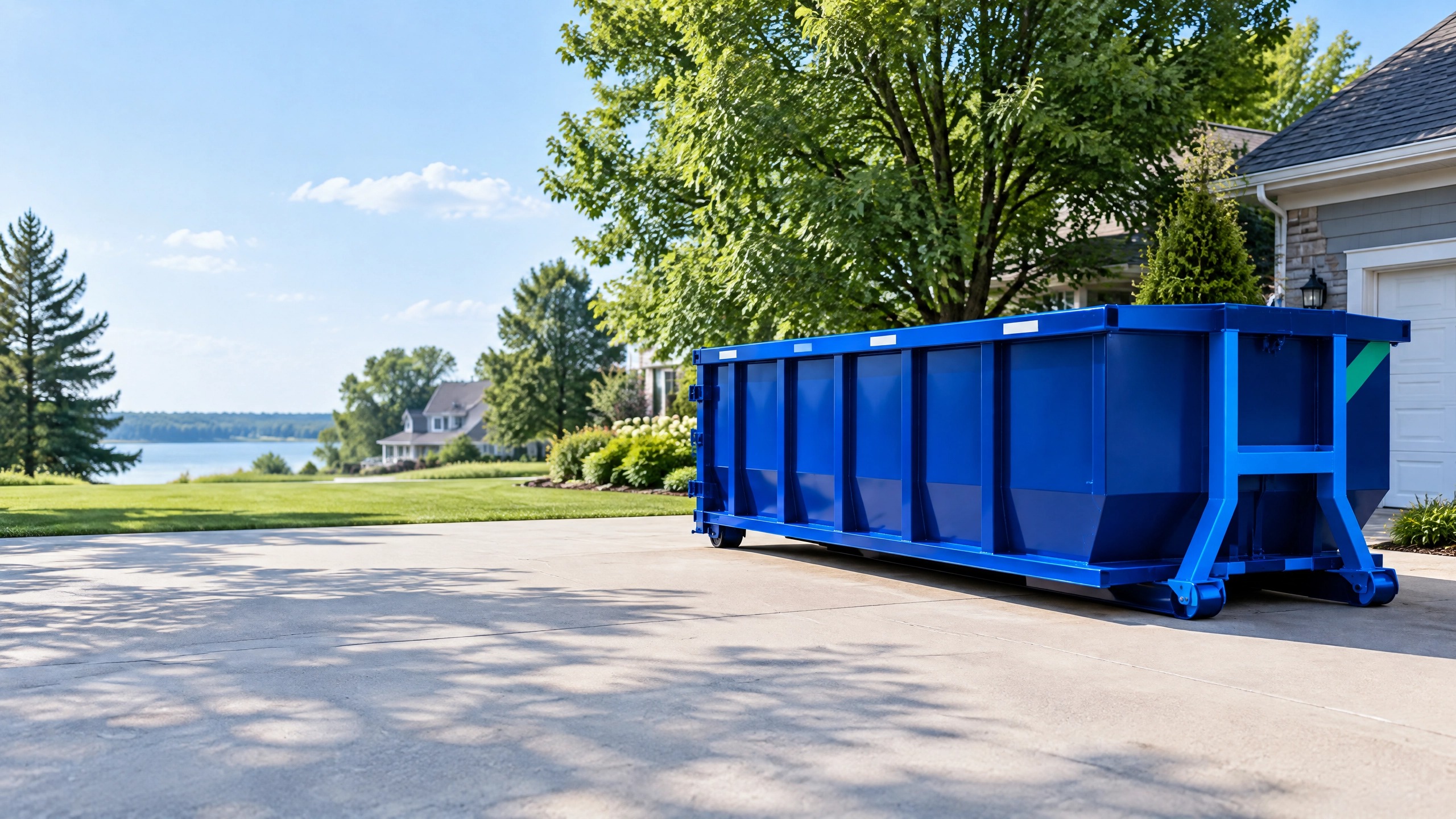
A roll-off dumpster rental gives you a convenient way to collect and remove large amounts of debris from a renovation, cleanout, roofing job, construction project, or commercial cleanup. Unlike standard trash containers, roll-off dumpsters are designed for temporary projects where waste volume can quickly exceed what regular collection can handle.
But choosing one isn’t simply a matter of picking the biggest container available. The right size depends on how much material you have, what that material weighs, how much space you have for placement, and how you’ll load it.
Key Takeaways
- Roll-off dumpsters are open-top containers designed for temporary projects and large debris volumes.
- Dumpster sizes are measured in cubic yards, with larger containers holding more material.
- The right size depends on debris volume, material weight, and available placement space.
- Construction debris, household junk, roofing materials, and yard waste are common uses.
- Hazardous materials, batteries, paints, oils, tires, and other restricted items require separate disposal.
- When in doubt, describe your project and materials to the rental provider before choosing a container.
What Is a Roll-Off Dumpster?
A roll-off dumpster is a large, open-top container transported by a specialized roll-off truck. The truck delivers the container to your property or job site, you load it during your project, and the provider returns to pick it up when you’re finished.
The term “roll-off” refers to the way the container is loaded onto and removed from the truck. Unlike front-load dumpsters used for recurring commercial trash collection, these containers are generally intended for temporary projects and larger quantities of debris.
Most roll-offs have a rectangular steel body and an open top that makes it easier to throw in bulky materials. Many also have a rear door that can be opened for easier loading, particularly when you’re moving heavy or awkward debris into the container.
What Makes a Roll-Off Different?
The biggest difference is how and why it is used.
A front-load container is typically positioned at a business for recurring waste collection. A compactor is designed to compress waste so high-volume facilities can reduce the frequency of pickups. A roll-off, by contrast, is a flexible temporary container for projects that generate a concentrated amount of debris.
That makes it particularly useful for:
- Home cleanouts
- Remodeling and renovation
- Roofing projects
- Construction and demolition
- Landscaping and yard cleanup
- Commercial cleanouts
- Property improvement projects
How Does a Roll-Off Dumpster Work?
The process is straightforward, but planning the delivery location and load before the container arrives can prevent problems later.
- Choose Your ContainerStart by identifying the type and amount of debris your project will generate. The size you need is determined primarily by volume, but the weight of the material matters too.
- Schedule DeliveryThe container is delivered by a roll-off truck and positioned at the agreed location. You should have a clear, accessible area ready before delivery.
- Load the DumpsterPlace debris inside the container without exceeding the fill line or creating an unsafe load. Heavy materials require particular attention because you can reach a weight limit before the container looks completely full.
- Schedule PickupOnce the project is complete—or the container is full—the provider picks it up and transports the material for appropriate disposal or processing.
This basic delivery-fill-pickup model is one reason temporary containers work well for projects where waste is generated continuously over several days rather than all at once.
How Are Roll-Off Dumpster Sizes Measured?
Roll-off containers are typically measured in cubic yards, which describes their approximate volume. A 20-yard container, for example, has a capacity of about 20 cubic yards of material.
However, cubic-yard capacity doesn’t tell the entire story.
Two dumpsters with similar dimensions can have different practical applications, and a container filled with lightweight cardboard behaves very differently from one filled with concrete. That’s why choosing based solely on how “full” the container looks can be misleading.
Think about your project using three measurements:
- Volume: How much material will you generate?
- Weight: How heavy is that material?
- Footprint: Where can the container safely be placed?
A reliable size recommendation considers all three.
How to Choose the Right Roll-Off Dumpster Size
The most common mistake people make is choosing a container based only on the size of the project. Instead, estimate the actual debris stream.
For example, a bathroom remodel might generate drywall, flooring, cabinets, fixtures, and other bulky materials. A roofing project may produce a large volume of shingles that is comparatively dense. A garage cleanout may occupy substantial space but contain mostly lightweight household items.
Here is a practical starting point:
10-Yard Dumpster
A 10-yard container is generally suited to smaller cleanouts, limited demolition, single-room projects, or relatively compact loads.
Consider it when you’re dealing with:
- A garage or attic cleanout
- A single-room renovation
- Small amounts of demolition debris
- Heavy debris where limiting volume helps manage weight
20-Yard Dumpster
A 20-yard container is a useful middle-ground option for projects that generate more material than a small cleanout but don’t require a large construction container.
Common applications include:
- Flooring removal
- Roofing work
- Larger home cleanouts
- Moderate remodeling
- General renovation debris
30-Yard Dumpster
A 30-yard container provides substantially more volume for larger renovation and construction projects.
It can make sense for:
- Major home remodeling
- Large cleanouts
- Additions
- Larger demolition projects
- Residential construction
40-Yard Dumpster
The largest standard option is typically best suited to high-volume projects where space and access allow for a larger container.
Common applications include:
- Major construction
- Commercial projects
- Large-scale demolition
- Full-building cleanouts
- High-volume renovation debris
The key point is that bigger isn’t automatically better. A larger container may provide useful capacity for bulky materials, but heavy debris can still make weight the limiting factor. Current size guides similarly emphasize evaluating both container volume and debris weight when selecting a size.
What Size Dumpster Do I Need for My Project?
If you’re searching for a quick answer, start with the project’s debris volume and material type.
| Project | Typical Starting Point |
|---|---|
| Small garage cleanout | 10 yard |
| Single-room remodel | 10–20 yard |
| Roofing project | 10–20 yard |
| Larger home cleanout | 20–30 yard |
| Major remodel | 30 yard |
| Residential construction | 30 yard |
| Large commercial construction | 40 yard |
| Major demolition | 30–40 yard |
These are starting points, not universal rules. A roofing project, for instance, can require a different size depending on the roof area and material. Likewise, concrete, brick, dirt, and other dense materials may require a smaller container because weight becomes the limiting factor.
If you’re between two sizes, explain the project to the rental provider rather than guessing. Details such as the type of debris, estimated quantity, and project duration can make the recommendation much more accurate.
What Can You Put in a Roll-Off Dumpster?
A roll-off can handle many common project materials, including household junk, furniture, cardboard, flooring, drywall, wood, roofing debris, and certain yard materials. Exact acceptance rules vary by provider and location, so always confirm unusual materials before loading them.
The most important distinction is between ordinary project debris and materials requiring special handling.
Commonly Accepted Materials
Depending on the provider and container:
- Household junk
- Furniture
- Wood
- Drywall
- Flooring
- Roofing shingles
- Cardboard
- Yard waste
- Remodeling debris
- Construction debris
Materials That May Be Restricted
Common restrictions include:
- Paint and solvents
- Motor oil and fuels
- Batteries
- Tires
- Asbestos-containing materials
- Medical waste
- Refrigerants and certain appliances
- Other hazardous materials
The U.S. Environmental Protection Agency identifies products such as paints, cleaners, oils, batteries, and pesticides as household hazardous waste that requires special care during disposal.
Michigan’s environmental guidance also directs households and businesses toward authorized disposal and recycling options for applicable materials rather than treating everything as ordinary solid waste.
When you’re unsure about an item, ask before putting it into the container. An item that seems harmless can create disposal, safety, or contamination problems.
Why You Shouldn’t Overfill a Roll-Off Dumpster
A common misconception is that if you can physically fit more debris into a container, you can haul it away.
That’s not how it works.
Materials should remain below the designated fill line and should not extend above the container walls. An overloaded container can create safety problems during transportation and may require material to be removed before pickup.
Load bulky materials strategically and distribute heavier debris rather than creating one concentrated pile. If the container is approaching capacity before your project is finished, contact the provider about pickup or a replacement container instead of continuing to pile material above the top.
Where Should You Put a Roll-Off Dumpster?
Placement is an important part of choosing a container because the delivery truck needs enough room to access the property and safely position the bin.
A suitable location should generally be:
- Firm and reasonably level
- Accessible to the delivery truck
- Clear of low branches and overhead obstructions
- Away from structures or obstacles that interfere with placement
- Large enough for the container and delivery maneuver
A driveway is a common location for residential projects, while construction sites may have a designated area for temporary waste collection.
If you’re considering street placement, check local requirements before scheduling delivery. Permit rules can vary by municipality, and public-right-of-way placement may require approval.
For projects in Michigan, local requirements should be confirmed with the appropriate municipality rather than assuming one statewide rule applies everywhere.
Roll-Off Dumpster vs. Front-Load Dumpster
Choosing the right container also means choosing the right type of waste service.
Roll-Off
Best for: Temporary projects that generate a large amount of debris.
Typical uses: Remodeling, construction, cleanouts, roofing, demolition.
Front-Load
Best for: Recurring waste collection at businesses and other properties.
Typical uses: Offices, restaurants, retail, apartment properties.
Compactor
Best for: Operations that generate high volumes of waste and want to reduce the frequency of hauling.
Typical uses: Warehouses, manufacturing, grocery stores, restaurants, and other high-volume facilities.
The simplest rule is this: one-time project = roll-off; recurring trash service = front-load; high-volume waste requiring compaction = compactor. Roll-offs do not use a built-in compaction mechanism, which is one of the primary differences between them and compactors.
How Long Do You Need a Roll-Off Dumpster?
The right rental period depends on how quickly your project will generate debris.
A short cleanout may be completed quickly, while a renovation or construction project can continue for several days or longer. Scheduling pickup too early can leave you without a place to put debris; scheduling too late can interfere with site access or project completion.
Before ordering, consider:
- When will debris generation begin?
- How quickly will the container fill?
- Will work continue throughout the rental period?
- When will you need the container removed?
If your timeline changes, contact the provider as early as possible. Availability for a replacement, pickup, or extended rental can depend on the local fleet and schedule.
What Affects the Cost of a Roll-Off Dumpster?
The price of a container isn’t determined by size alone. Your final quote can depend on several factors, including:
- Container size
- Type and weight of debris
- Rental duration
- Delivery location
- Disposal or processing requirements
- Pickup and delivery logistics
- Local fees or requirements
This is why comparing only the advertised price of two containers can be misleading. A lower base price may not represent the same rental period, included weight allowance, disposal terms, or service conditions.
Before booking, ask what is included in the quote and whether additional charges could apply for excess weight, extended rental time, restricted materials, or other project-specific conditions.
7 Questions to Ask Before Renting a Roll-Off
Before you schedule delivery, ask these questions:
- What size is appropriate for my project?Give the provider the project type, estimated debris volume, and material type.
- What materials are prohibited?Don’t assume an item is accepted simply because it fits inside the container.
- What are the weight restrictions?This matters especially for concrete, brick, roofing materials, dirt, and other dense debris.
- How long is the rental period?Know when pickup is expected and what happens if your project takes longer.
- Where can the container be placed?Confirm the required space and whether your planned location is suitable for delivery.
- Do I need a permit?Ask whether your placement location requires local approval, particularly if the container will sit on public property.
- What does the quoted price include?Clarify delivery, pickup, disposal, rental duration, weight allowances, and potential additional charges.
These questions can prevent one of the biggest problems with temporary waste containers: discovering an important restriction only after the dumpster has already been delivered.
How to Make Your Dumpster Rental Easier
A little preparation can make the entire process smoother.
- Plan the placement first. Don’t wait until the truck arrives to decide where the container should go.
- Separate restricted materials. Identify paint, batteries, chemicals, tires, appliances, and other questionable items before the project begins.
- Estimate volume realistically. Think about how much debris you’ll generate rather than choosing a container based on the size of the room or property.
- Consider weight separately. A container can have plenty of physical space left and still approach its weight restriction.
- Don’t overfill. Keep material below the fill line and distribute debris as evenly as practical.
- Ask questions early. A few minutes spent confirming size, materials, placement, and rental terms can prevent delays later.
Is a Roll-Off Dumpster Right for Your Project?
If you’re generating more debris than your regular trash service or personal vehicle can reasonably handle, a roll-off is often a practical option.
It’s particularly useful when waste is generated over the course of a defined project rather than on a recurring weekly basis. You get a dedicated container at the job site, load debris as work progresses, and arrange removal when the project or cleanup is complete.
For homeowners, contractors, property managers, and businesses, the most important decision isn’t simply which dumpster is biggest. It’s choosing a container that matches the volume, weight, material type, site conditions, and project timeline.
Final Takeaway
The right container can make a major cleanup or construction project easier to manage. Start by estimating how much debris you’ll generate, then consider what the material weighs and where the container can be safely placed. Confirm accepted and prohibited materials before delivery, especially for hazardous or unusual items. Finally, ask about rental terms, weight restrictions, pickup, and potential additional charges before you book.
For projects in Metro Detroit and surrounding Michigan communities, Rearden Environmental provides roll-off dumpster solutions for cleanouts, remodeling, roofing, construction, and other one-time projects.
Need help choosing a size? Tell Rearden Environmental what you’re working on, what you’re throwing away, and roughly how much debris you expect. The right recommendation starts with those three details.
Frequently Asked Questions
What is a roll-off dumpster?
A roll-off dumpster is a large, open-top container designed for temporary projects that generate significant amounts of debris. It is delivered by a specialized truck, filled at the job site, and hauled away when the project is complete.
What size roll-off dumpster do I need?
The right size depends on your project’s debris volume, material type, and weight. Smaller cleanouts may need a 10-yard container, while larger renovations and construction projects may require 30- or 40-yard options.
What can I put in a roll-off dumpster?
Commonly accepted materials include household junk, furniture, cardboard, wood, drywall, flooring, roofing debris, and many types of remodeling and construction waste. Always confirm material restrictions with your dumpster provider before loading.
What can’t go in a roll-off dumpster?
Commonly restricted materials include paint, solvents, motor oil, fuels, batteries, tires, asbestos-containing materials, medical waste, and other hazardous materials. Some appliances and chemicals may also require special handling.
How long can I keep a roll-off dumpster?
The rental period depends on your project and the provider’s terms. Before booking, confirm how long the container is included and what options are available if your project takes longer than expected.
Where can I place a roll-off dumpster?
A roll-off dumpster needs a firm, accessible, reasonably level location with enough space for delivery and pickup. A driveway is often suitable for residential projects. If you plan to place one on a street or other public property, check local permit requirements first.
Do I need a permit for a roll-off dumpster?
It depends on where the dumpster will be placed. Containers located on private property may not require the same approvals as those placed on public streets or rights-of-way. Check with your local municipality before scheduling delivery.
Can I put concrete or other heavy debris in a roll-off dumpster?
Heavy materials such as concrete, brick, asphalt, and dirt can have special weight considerations. You may need a smaller container or a specific container type for dense debris. Always discuss heavy materials with the provider before ordering.
Can I overfill a roll-off dumpster?
No. Materials should remain below the container’s designated fill line and should not extend above the walls. An overloaded container can create transportation and safety issues and may require debris to be removed before pickup.
How much does a roll-off dumpster cost?
Pricing depends on factors such as dumpster size, debris type and weight, rental duration, delivery location, and disposal requirements. Ask for a clear quote that explains what is included and whether additional charges could apply.
What is the difference between a roll-off dumpster and a front-load dumpster?
A roll-off dumpster is generally used for temporary projects and large amounts of debris, while front-load dumpsters are designed for recurring waste collection at businesses and other properties. Compactors are better suited to high-volume operations that want to reduce the frequency of waste pickups.
When should I schedule a roll-off dumpster?
Schedule your dumpster before debris generation begins so the container is available when you need it. If your project has a fixed start date, scheduling ahead also gives you time to confirm size, placement, material restrictions, and local requirements.