Choosing a dumpster rental service in Michigan involves more than finding a container at the lowest price. You need the right dumpster size, clear rental terms, dependable delivery and pickup, and a provider that understands your project or business needs.
Whether you’re clearing out a property, managing construction debris, renovating a home, or arranging ongoing waste collection for a commercial property, the right service can help you control costs and keep the work moving.
The best dumpster rental in Michigan is one that matches your waste volume, material type, location, schedule, and budget—not simply the one with the lowest advertised price.
This dumpster rental Michigan guide explains how to compare providers, choose a suitable container, understand rental costs, and determine whether you need a temporary roll-off dumpster or an ongoing commercial waste management solution.
1. Identify the Type of Dumpster Rental You Need
Before comparing quotes, define your waste disposal requirements. A one-time renovation generates different waste from a restaurant that needs regular trash collection or a construction company managing multiple job sites.
Most projects fall into one of two categories.
Temporary Roll-Off Dumpster Rental
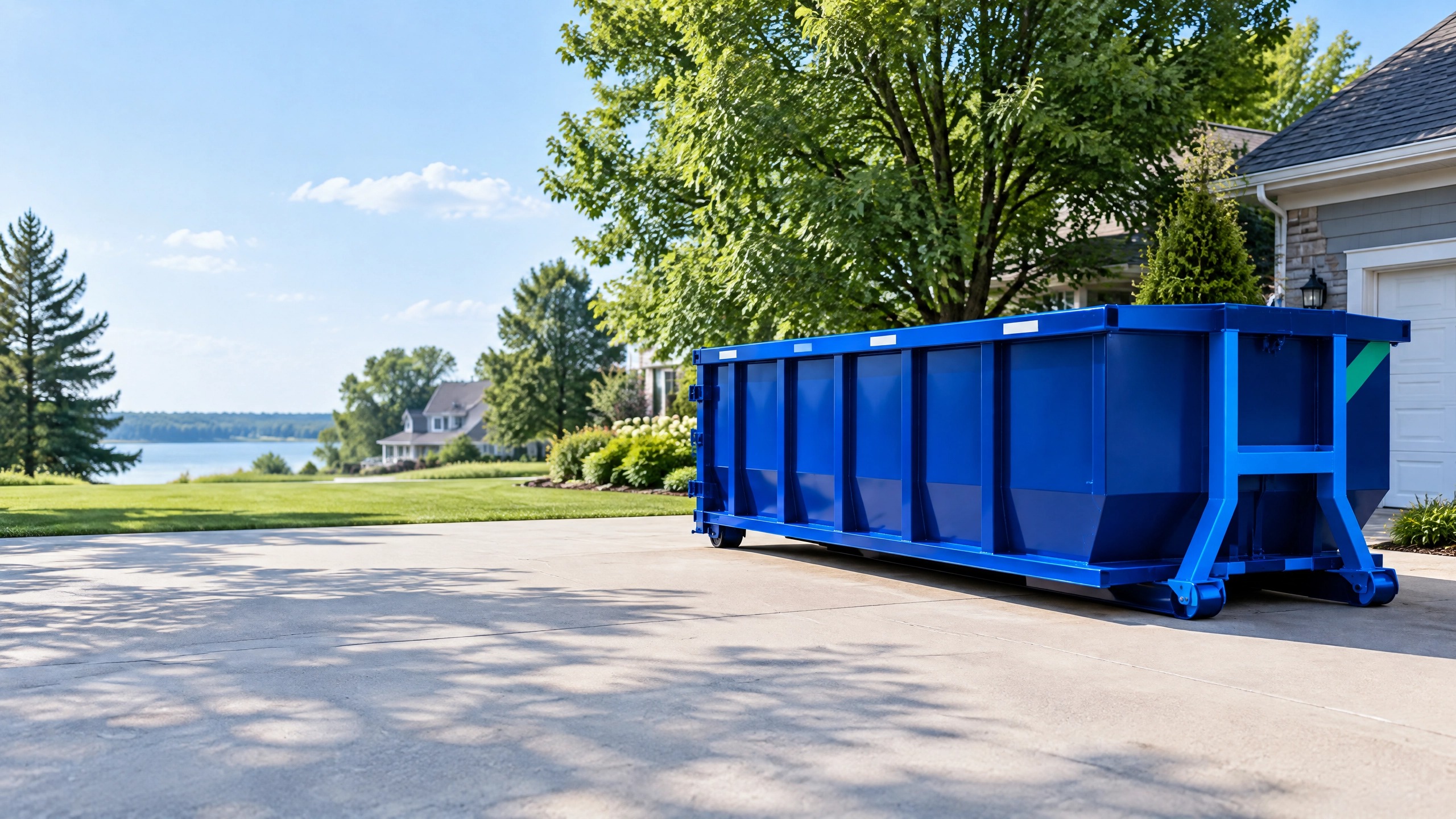
A roll-off dumpster is an open-top container delivered to your property or job site for a specific project. Once you’ve filled it, the provider picks it up for disposal.
This option works well for:
- Home cleanouts and estate cleanouts
- Kitchen, bathroom, and basement renovations
- Roofing and flooring projects
- Construction and demolition debris
- Commercial property renovations
- Large-scale cleanups and remodeling
Rearden Environmental offers 10-, 20-, 30-, and 40-yard containers for different project sizes. You can explore the available options through our roll-off dumpster rental services.
Ongoing Commercial Dumpster Service
Businesses that generate waste every day usually need a different arrangement. A commercial dumpster service provides a permanent or regularly serviced container with scheduled pickups.
This option is useful for:
- Restaurants and commercial kitchens
- Retail stores and shopping centers
- Office buildings
- Apartment complexes and property managers
- Warehouses and industrial facilities
- Businesses with recurring packaging or general waste
Rearden Environmental offers 2-, 4-, 6-, and 8-yard front-load dumpsters for recurring commercial waste collection. Container size and pickup frequency can be matched to a business’s waste volume and operating needs. Explore our commercial dumpster rental services for more details.
Quick tip: If you need a dumpster for a defined project, start by comparing roll-off options. If your business produces waste continuously, compare recurring commercial service plans.
2. Compare Dumpster Sizes Before Requesting a Quote
The right container should accommodate your waste without leaving you paying for substantially more capacity than you need.
For a temporary project, dumpster size is generally measured in cubic yards. However, volume is only part of the decision. Dense materials such as concrete, brick, and dirt can reach weight limits before a container is full.
Here is a general guide to common roll-off sizes.
| Dumpster Size | Best Suited For | Typical Applications |
|---|---|---|
| 10-yard dumpster | Small projects | Garage cleanouts, minor renovations, and selected heavy-material projects |
| 20-yard dumpster | Medium-sized projects | Roofing, flooring removal, remodeling, and larger cleanouts |
| 30-yard dumpster | Large projects | Major renovations, construction debris, and substantial property cleanups |
| 40-yard dumpster | Large-volume projects | Commercial construction, extensive demolition, and industrial cleanouts |
Actual suitability depends on the material, available space, and applicable weight restrictions. Confirm these details with the provider before booking.
When Should You Choose a 10-Yard Dumpster Rental?
A 10-yard dumpster rental can work well for a small cleanout, a minor renovation, or a project that produces a limited amount of debris.
It may also be suitable for certain heavy materials when the provider approves the load and confirms the applicable weight limit.
If you are unsure whether a smaller container will accommodate your debris, estimate the amount of waste and describe the project before requesting a quote.
When Is a 20-Yard Dumpster Rental a Better Choice?
A 20-yard dumpster rental offers more capacity for projects that generate moderate amounts of bulky debris.
Consider this size for kitchen renovations, roofing work, flooring removal, and larger household cleanouts.
For more guidance, read how big a 20-yard dumpster is and what it can hold.
Do You Need a 30-Yard Dumpster Rental in Michigan?
A 30-yard dumpster rental in Michigan may be appropriate for major remodeling, construction, and projects involving substantial amounts of debris.
It provides more volume than a 20-yard container, making it useful when the project is too large for a smaller dumpster but does not require the capacity of the largest available option.
See our guide to 30-yard dumpster rental prices for more information about the factors that affect rental costs.
When Should You Consider a 40-Yard Dumpster Rental?
A 40-yard dumpster rental is generally worth considering for large construction projects, commercial cleanouts, and other jobs that generate considerable waste.
Before choosing this size, confirm that the delivery area can accommodate the container and that the material will not exceed the permitted weight.
The key is to choose a dumpster based on both volume and weight. A larger container is not automatically the best option if you’re disposing of dense debris or working in a restricted space.

3. Understand What Affects Dumpster Rental Costs in Michigan
One of the first questions customers ask is, “What is a dumpster rental cost?”
The answer depends on the container, the project, and the terms of the rental. There is no single price that applies to every Michigan dumpster rental.
Before comparing quotes, understand the main factors that affect the total cost.
Dumpster Size
Larger containers typically cost more than smaller ones because they offer more capacity. However, choosing a container that’s too small can create additional costs if you need another delivery or rental.
Rental Period
Ask how long the quoted rental lasts and what happens if your project takes longer than expected.
A clear rental period helps you plan the work and avoid unexpected extension charges.
Debris Type and Weight
The material you dispose of can affect the price. Heavy construction debris may be subject to different weight restrictions or handling requirements than ordinary household junk.
If you’re disposing of concrete, brick, dirt, roofing materials, or demolition debris, tell the provider before booking.
Delivery Location
Your delivery address and distance from the provider’s service area can affect transportation costs. Placement requirements may also influence the arrangement.
Additional Charges
Ask whether the quote includes delivery, pickup, disposal, the rental period, and an included weight allowance. Confirm how additional weight, extended rentals, prohibited materials, or other special requirements are handled.
For more detail, read how much it costs to rent a dumpster.

How Much to Rent a Dumpster Near Me?
When comparing local providers, don’t judge the offer by its starting price alone.
Request an itemized quote that explains:
- The dumpster size
- The rental period
- Delivery and pickup charges
- Included disposal weight, if applicable
- Fees for exceeding the weight allowance
- Charges for extending the rental
- Any restrictions or special handling requirements
This makes it easier to compare Michigan dumpster rental prices on equal terms.
A transparent quote helps you budget more accurately and reduces the risk of unexpected charges after the dumpster arrives.
4. Choose a Provider With Reliable Delivery and Pickup
A dumpster rental can affect your entire project schedule. If the container arrives late, you may have to delay demolition, move debris more than once, or keep workers waiting. If pickup is delayed, the full container may take up space needed for the next stage of work.
Before choosing a provider, ask about its delivery and pickup process.
Confirm the Delivery Window
Explain when you need the dumpster and whether delivery must happen before a contractor, crew, or renovation team arrives.
Confirm the expected delivery date and communicate any access restrictions.
Understand the Pickup Process
Ask how to request pickup when the container is full or the project is complete. Find out whether you need to schedule collection in advance or contact the provider when you’re ready.
For a recurring commercial dumpster pickup schedule, confirm the service days and how to request an extra collection if waste volume increases.
Check Access and Placement
The delivery area should provide enough room for the truck to position the container safely. Remove vehicles and other obstructions where necessary, and tell the provider about narrow driveways, gates, overhead obstacles, or limited access.
If you plan to place a dumpster on a public street or other public property, check local permit requirements. A private driveway may not require the same approval, but local rules and site conditions matter.
A dependable provider should explain these requirements before delivery—not leave you to resolve them at the last minute.
5. Check What You Can Put in the Dumpster
Before booking, make sure the provider accepts the materials your project will generate.
What Can Go in a Commercial Dumpster?
The answer depends on the container and the provider’s acceptance rules. Commercial front-load dumpsters commonly handle ordinary business waste, bagged food waste where accepted, cardboard, paper packaging, and office trash.
Depending on the service and project, accepted roll-off materials may include:
- Household junk and furniture
- Wood and approved construction debris
- Drywall and flooring
- Roofing materials
- Packaging and general cleanup waste
- Other approved renovation materials
However, not every dumpster accepts every material.
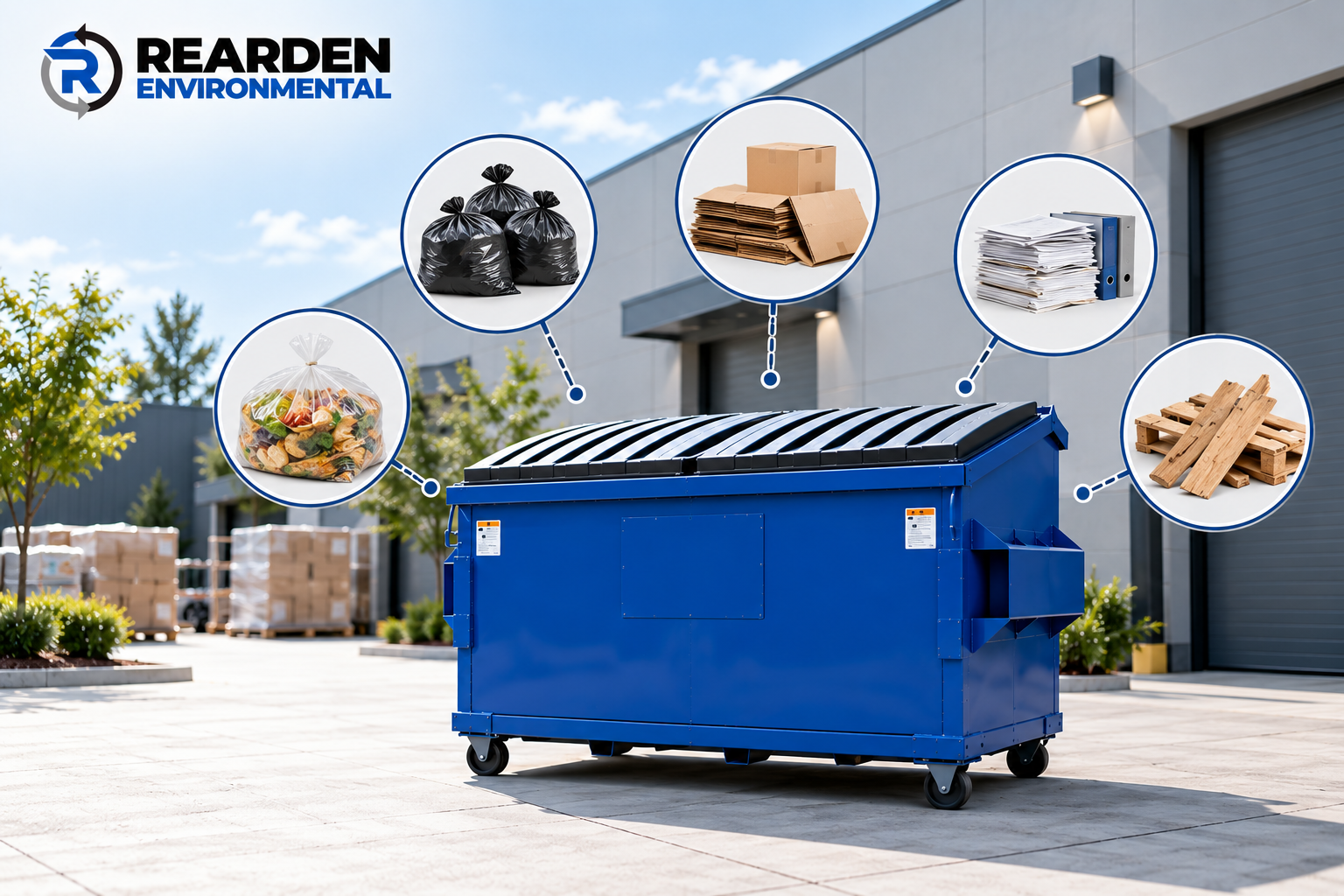
Hazardous waste, chemicals, liquids, batteries, tires, asbestos, medical waste, and other regulated materials may require separate handling or specialized disposal. Michigan’s environmental guidance identifies various materials that are restricted from ordinary landfill disposal or subject to specific management requirements. Source: Michigan.gov
Concrete, dirt, brick, and other heavy materials also deserve special attention. Ask whether the provider accepts them, whether they require a separate container, and what weight limits apply.
If your project involves unusual or potentially hazardous waste, describe the material before booking rather than placing it in the dumpster and hoping it will be accepted.
6. Match the Dumpster Service to Your Business
Businesses should evaluate more than container size. Waste volume, operating hours, available space, pickup frequency, and the type of waste all affect which service makes sense.
The best solution may be a recurring front-load dumpster, a commercial roll-off dumpster for a one-time project, a compactor, or a combination of services.
Front-Load Dumpster Rental for Everyday Waste
A front-load dumpster rental is designed for ongoing waste collection. The provider empties the container according to an agreed schedule.
This can suit businesses that produce regular amounts of general waste and need consistent service.
For example:
- Dumpster rental for restaurants: Restaurants may need frequent collection because of food packaging, bagged waste, and daily operating volume.
- Dumpster rental for retail stores: Retail businesses may need capacity for packaging, cardboard, and general waste, particularly during busy seasons.
- Dumpster rental for apartments: Property managers may need a container and pickup schedule that accommodates residents, shared disposal areas, and changing occupancy.
Container size and collection frequency should reflect actual waste production rather than assumptions about business type.
Commercial Roll-Off Dumpster for Temporary Projects
A commercial roll-off dumpster is often a better fit for renovations, tenant turnover, property cleanouts, construction, and demolition.
For example, a retail store remodeling its sales floor may need a temporary roll-off for shelving, flooring, and approved construction debris, while keeping its regular front-load service for daily trash.
Explore our commercial dumpster rental service to learn more about ongoing waste collection options.

When Should a Business Consider a Commercial Compactor?
Businesses that produce large quantities of waste may benefit from a commercial compactor.
Compactors compress waste to reduce its volume, which can help facilities manage limited storage space and collection needs. The appropriate system depends on the waste stream and operating environment.
Rearden Environmental offers compactor solutions for commercial waste needs, including options designed for different applications.
Consider Commercial Recycling Services
Not all business waste needs to go into a general waste container. Cardboard, paper, and other approved recyclable materials may be eligible for separate collection.
Commercial recycling services can help businesses separate suitable materials and improve how they manage their waste streams. The right program depends on the materials produced, available collection options, and local processing requirements.
When evaluating a provider, ask whether recycling can be incorporated into your overall waste plan and how the service would affect container placement and pickup schedules.
7. Compare Providers Before Making a Decision
Once you’ve identified your needs, compare providers using the same criteria.
| What to Compare | Questions to Ask |
|---|---|
| Service type | Do you offer temporary roll-off rentals, recurring commercial service, or both? |
| Container size | Which size suits my project and the materials I’m disposing of? |
| Pricing | What does the quote include, and what could cost extra? |
| Delivery | Can you accommodate my requested delivery window? |
| Pickup | How do I schedule collection or request an additional pickup? |
| Material restrictions | Which materials are accepted, restricted, or subject to special requirements? |
| Placement | How much room is needed, and could I need a permit? |
| Customer support | Can I speak directly with someone who can answer questions about my project? |
| Licensing and insurance | Can you confirm the applicable licensing and insurance details? |
A good provider should be able to explain its service clearly and help you understand the trade-offs between different container sizes and service arrangements. Knowing how to rent a dumpster in Michigan doesn’t only mean to identify the right provider but it also involves choosing the right container that match your project needs.
Why Choose Rearden Environmental for Dumpster Rental in Michigan?
Finding the right dumpster rental service means working with a provider that understands your project requirements and explains your options before delivery.
Rearden Environmental offers waste solutions for cleanouts, remodeling, construction, and ongoing commercial needs. Available options include temporary roll-off dumpsters, recurring commercial dumpster service, compactor solutions, and commercial recycling.
Customers can get help choosing a suitable container, understanding material restrictions, and planning delivery and pickup around the project or business requirements.
When comparing a Michigan dumpster rental provider, look for:
- Reliable delivery and pickup: Clear scheduling helps keep projects moving.
- Upfront pricing: Understand the rental terms and potential additional charges before booking.
- Right-size guidance: Choose a container based on the waste volume, material type, and available space.
- Direct support: Get answers to questions about placement, accepted materials, and collection.
- Licensed and insured operations: Confirm the provider’s applicable credentials and coverage.
To discuss your project or business waste needs, contact us now to let our team help you choose the right container based on your requirements.
Find the Right Dumpster Rental Service for Your Project
Choosing a dumpster rental service in Michigan becomes easier when you know what you need before requesting a quote.
Start by identifying your waste type, estimating the volume, and deciding whether you need temporary disposal or recurring collection. Then compare container sizes, rental terms, pickup schedules, material restrictions, and the full quoted cost.
For businesses, consider whether front-load service, a commercial roll-off dumpster, a compactor, or recycling options would better support daily operations.
The right solution should fit your project, provide clear terms, and help you manage waste without unnecessary disruption.
Frequently Asked Questions
1. What Is Dumpster Rental Cost in Michigan?
Dumpster rental costs vary by container size, rental period, debris type, weight, delivery location, and the terms of the service. Request a quote that identifies the included services and any potential extra charges before booking.
2. How Much Does It Cost to Rent a Dumpster Near Me?
Your location can affect delivery costs and service availability. To compare local options, provide your address, project details, estimated waste volume, and preferred rental period when requesting a quote.
3. Which Dumpster Size Should I Choose?
A 10-yard container may suit a small cleanout or minor project, while a 20-yard dumpster can accommodate many medium-sized renovations. A 30-yard or 40-yard container may be more suitable for larger construction and commercial projects. The right choice also depends on weight limits and material restrictions.
4. Can I Put Concrete, Dirt, or Brick in a Rental Dumpster?
Some providers accept concrete, dirt, and brick under specific conditions, while others require a separate container or impose weight restrictions. Confirm acceptance rules and loading limits before booking.
5. Do I Need a Permit for a Dumpster in Michigan?
A dumpster placed on private property may not require a permit, but placement on a public street, sidewalk, or right-of-way may require municipal approval. Requirements vary by location, so check with the relevant municipality before delivery.
6. What Is the Difference Between a Roll-Off Dumpster and a Commercial Dumpster?
A roll-off dumpster is typically used for temporary projects such as renovations, construction, and cleanouts. A commercial front-load dumpster is designed for recurring waste collection at businesses and commercial properties. Your waste volume, material type, and collection needs determine which option is more suitable.